
We partner with local,
regional and global clients
to build distinctive and
relevant brands over time.
About
We create
brands that
leave a mark.
Services
Brand development dimensions.
-
1. Strategy
We define brand positioning, structure and expression to guide decisions and support its evolution over time, integrating strategic analysis, identity development and tailored workshops.
- Brand positioning (corporate and product)
- Brand architecture and portfolio
- Brand identity, narrative and content
- Brand book development
-
2. Growth
We identify and develop growth opportunities based on insights, trends, cultural dynamics and competitive context, including tailored workshops and working sessions.
- Insights and trends identification to drive innovation
- Insight and trend identification to drive innovation
- Innovation roadmap design
- Brand geographic expansion (local, regional and global)
-
3. Culture
We work on the brand as a living experience within teams, aligning culture and ways of working to ensure coherence between brand identity and how it is interpreted across the organization.
- Cultural assessment and identification of gaps between brand and teams
- Team alignment with brand identity (understanding and implementation)
- Experiential brand workshops with teams (alignment in action)
- Brand expansion through aligned teams (expression, networks and talent)
-
4. Processes
We design brand management processes tailored to the organization to ensure coherence, efficiency and effectiveness in their implementation, integrating the brand into day-to-day operations.
- Structuring brand management processes within the organization
- Integration of the brand into business and innovation processes (Agile, Stage-Gate)
- Alignment of interfaces that shape the brand (clients, agencies, partners)
- Operational integration of the brand into teams and ways of working
-
5. Capabilities
We build capabilities within teams to understand, apply and manage the brand consistently, through workshops and tools that strengthen its implementation and long-term development.
- Strategic identity and brand DNA
- Consumer insights and understanding
- Communication and content aligned with brand strategy
- Use of tools and technologies applied to the brand












Cases
STRATEGY
Defining the regional positioning of an iconic teen chocolate brand.
Context
A global leading food company needed to align a regional positioning for an iconic teen chocolate brand present in Brazil, Argentina and Chile, before expanding it to the rest of Latin America (Andean region, Central America and the Caribbean), in a context of strong regional growth ambition. The positioning was expected to guide category prioritization, innovation and expansion, ensuring consistency across new markets.
While the brand had strong recognition and a solid track record, it showed differences in interpretation and execution across markets, creating a risk of fragmentation as it scaled regionally and making it difficult to build a consistent proposition without losing connection with local particularities.
Key questions
What differences and similarities does the brand have across markets?
Which historical values must we preserve, considering the pillars of each existing market?
What is the regional positioning to inspire innovation and communication?
Which values should be built first when entering a new market?
Approach
We structured a 4-stage process.
1) Regional diagnosis
A desk research on the brand in each country, including an analysis of the target’s interaction with both the product and the brand, across habits and social media.
2) Target immersion
We worked with a sociologist specialized in teens to deeply understand the role of chocolate in their lives.
3) Regional insight
We identified a pivotal insight for the brand and developed a proposal, later validated with local teams and their agencies, guiding innovation and expansion in the region.
4) Regional brand book generation
We developed the content for the regional brand book and then briefed and directed the graphic design work with an agency selected by our client, aligning the brand as a consistent platform for its regional growth.
Cases
STRATEGY
Regional brand books for carbonated beverage brands.
Context
A global carbonated beverages company needed regional brand books for different brands, in a context where no consolidated global reference existed and a framework was required to guide Latin America without losing local relevance.
The challenge involved integrating multiple perspectives, languages and previous developments into a coherent narrative, aligned with each brand’s global equity while remaining flexible enough to incorporate local expressions and ensure consistency in brand management across the region.
Key questions
What is the global positioning and what must we preserve to be the brand we need to be?
How do we build a brand narrative that captures local (regional) richness within the global frame?
What design best captures the full narrative of each brand?
Approach
We structured a 3-stage process.
1) Definition of the book index
We defined a general index to structure the brand narrative based on global and regional requirements, covering key elements from insight and brand DNA to product principles, design guidelines, communication, activation, engagement, pricing strategy and point of sale.
2) Developing each brand narrative
We analyzed existing materials and developed the missing content, aligning with the client and the regional agency team (BBDO).
3) Graphic design direction
We briefed and directed the graphic design work carried out by an agency selected by our client, curating key assets to ensure a consistent expression of each brand’s equity at a regional level.
Cases
GROWTH
Identifying the profile of a regional detergent to turn it into a global one.
Context
A multinational company, leader in the detergents category, sought to globalize the positioning of one of its regional brands in Latin America, already consolidated across different markets.
The challenge was to identify and systematize the brand’s key elements—its proposition, attributes and execution drivers—to build a clear foundation that would enable scaling at a global level, ensuring consistency while facilitating understanding and implementation in new markets.
Key questions
What are the key positioning elements that must be preserved to scale the brand globally?
How can we assess whether it represents an opportunity in a specific new market?
What can we not compromise in order to build this positioning?
How do we translate the regional development of the brand into a clear guide for its implementation in new markets?
Approach
We structured a 4-stage process.
1) Regional understanding
We analyzed the brand’s trajectory in its most successful markets in the region (with Argentina as a benchmark).
2) Regional positioning requirements
We defined key criteria including market context, price tiers, competition, brand attributes, formulation, packaging, communication and trade.
3) Innovation and communication roadmaps
We prioritized the innovation platforms that built the brand positioning, as well as the building blocks across the communication stages.
4) Brand vision plan
We developed a document to serve as a global proposal for the brand, establishing a common base for its development and implementation at scale.
Cases
CULTURE
Updating the corporate DNA of an expanding bank.
Context
After 15 years of growth—both organic and through acquisitions—the corporate brand of a major Chilean bank had evolved into a structure of 7 sub-brands (banks), each with its own identity and culture, without a clear definition or integration under a common brand role.
In this context, the challenge was to redefine the brand architecture while aligning the different organizational cultures, identifying their points of connection with the bank’s history and vision, and clarifying the role each unit should play within a coherent system, avoiding overlaps and strengthening their contribution to the corporate brand.
Key questions
How should we think about the corporate brand as a true umbrella?
How can this identity engage both customers and employees?
What role should each unit play within the brand system to contribute coherently to the whole?
Approach
We structured a 4-stage process.
1) Understanding the organizational culture
We conducted desk research using existing bank information, analyzed the social context of the industry, and ran interviews with key stakeholders from the corporate organization and portfolio banks.
2) Understanding the customer experience
We visited branches and reviewed the KPIs used to measure performance.
3) Corporate and sub-brands positioning
We defined the corporate brand key as well as those of the banks within its portfolio.
4) New brand equity workshop
We held an inspiration session with key business stakeholders, reviewing insights and working with communication teams to align different units under a shared corporate brand framework.
Cases
STRATEGY
Updating the vision of a global NGO advocating for freedom of expression.
Context
IFEX, a global NGO with over 20 years of experience, presence in more than 90 countries and a network of over 120 member organizations, needed to update its global vision to better capture the complexity of its role in defending freedom of expression and access to information.
In this context, the challenge was to define a clear proposal that could integrate multiple audiences—including journalists, diplomats and whistleblowers—aligning its communication approach with a purpose-driven model, in an organization whose culture was more closely linked to human rights, journalism and diplomacy than to a marketing logic.
Key questions
What implications does the NGO’s strategy have in the coming years to define a new brand role?
How has the audience evolved and how can this coexist within a new vision?
How do we generate a visual identity that quickly integrates journalists, diplomats, and whistleblowers in FoE&I?
How would we define this new role? Can it be expressed across all brand actions?
How do we translate this role into an inspiring trueline and tagline?
Approach
We structured a 4-stage process.
1) Desk research and stakeholder interviews
We reviewed the 4-year strategy and previous image studies, and conducted interviews with global stakeholders to identify needs, gaps and opportunities for the new brand role.
2) New target definition
We defined the audience with greater breadth and at the same time greater specificity, each with its own motivations and particular needs.
3) Global brand key vision development
We complemented the work with a reference framework of key visual resources previously developed by the brand.
4) Presentation and execution guidelines
We presented the vision and outlined execution guidelines, including the role of third-party certifications within the sustainability and transparency agenda.
Cases
GROWTH
Defining a brand vision to grow in the detergents market.
Context
After becoming the third brand in volume share in the detergents market in Chile, the company sought to identify new growth opportunities by expanding its reach to new audiences without losing the attributes that had sustained its development.
In this context, the challenge was to deeply understand the brand’s core assets and pillars in order to define a vision to guide future growth, maintaining consistency in its development and strengthening its competitiveness in the market.
Key questions
What trends cut across both C2 and C3D segments?
What graphic design would best represent this new vision?
What communication across traditional and digital media would best connect with our target while attracting users from competitors?
Approach
We structured a 6-stage process.
1) Initial position diagnosis
Qualitative & quantitative study on category & brand attributes.
2) Brand vision workshop
A one-day session with dynamics to develop an initial vision.
3) New graphic design definition
We briefed for new graphics design and qualitatively tested it.
4) Communication agency pitching process
We coordinated a 4-agency pitch process until the finalist.
5) End-to-end support for campaign production
From production house selection up to final online and POS.
6) Brand book development
With an index covering from insight to point of sale, including graphic design, portfolio, and off- and on-line communication.
Cases
CULTURE
Updating the role of the Latin America unit of a global NGO.
Context
After four years without in-person gatherings due to the COVID-19 pandemic, IFEX convened its members from Latin America and the Caribbean in Mexico City with the goal of defining the region’s role within the organization’s global plan.
In this context, the challenge involved designing, coordinating, and working through the outcomes of an alignment meeting in Mexico City with members from diverse backgrounds, approaches, and realities —including different generations, lines of work, and priorities within the defense of freedom of expression— in order to build a shared vision that would guide the region’s future work.
Key questions
What type of meeting can combine openness about what was experienced during the pandemic with openness toward the future plan?
How do we create a safe space for journalists from member organizations to share their experiences?
What dynamics can allow us to work in groups and identify common ground?
How do we help teams prioritize actions and resources?
How do the identified values and roles fit within the global brand vision and in preparation for the global forum in Berlin?
Approach
We structured a 4-stage process.
1) Initial immersion
We reviewed the 4-year strategic and communications plan of IFEX LAC and IFEX global. We complemented this with interviews with key members of the LAC Committee.
2) Design of the 2-day meeting
We designed the agenda, purpose, and pre-work for the meeting.
3) Facilitation of the meeting in Mexico City
We executed the two-day meeting, combining strategic work sessions with somatic practices, facilitating openness, reconnection, and the construction of a shared vision among participants.
4) LatAm inputs document to the global forum
Com recomendações sobre o papel da ALC, sugestões de execução e perguntas “fora da caixa” dentro da visão global da ONG, contribuindo para a articulação do papel regional dentro do sistema global.
Cases
PROCESSES
Designing an innovation management process for beverages in LatAm.
Context
The regional division of a global beverages company needed to implement an innovation management process to structure the generation and approval of projects in Latin America, within a highly complex organizational environment.
The region integrated multiple business units with diverse realities —in scale, structure, and commercial relationships with bottlers (competitive or complementary portfolios)— which made it difficult to adopt a common approach.
In this context, the challenge involved structuring a Stage Gate–based process that could be applied across different types of projects, respecting the agile and decentralized working culture of the teams, without losing flexibility while introducing greater structure.
Key questions
What is the organization’s way of working and what enables or limits innovation management?
How can we ensure this process structures management without losing the teams’ agility and ways of working, but instead enhances them?
How do we prioritize, evaluate, and assign responsibilities for innovation projects?
What criteria should we use to evaluate projects before and after launch?
Approach
We structured a 4-stage process.
1) Regional diagnosis of the innovation process
We assessed 9 business units (countries), conducting 60 interviews with key executives, understanding recurring issues, opportunities, and the company’s internal culture.
2) Development of the process management kit
We designed process flows, presentation and evaluation templates, gatekeeper guidelines, and risk assessment frameworks.
3) Pilot testing and regional intranet support
We provided support until reaching the final process, also accompanying the development of the online version and its adoption across teams.
4) Regional input to global
We generated inputs from LatAm for the global Stage Gate process, ensuring that regional cultural attributes were not lost and were integrated into the global innovation process.
Cases
GROWTH
Growth opportunity in Latin America for two global food brands.
Context
The regional nutrition team for Latin America of a global food company sought to identify new growth opportunities for two of its global brands, in a context marked by the increasing relevance of superfoods and new consumption trends related to health and wellness.
In this scenario, the challenge involved understanding these trends and translating them into a concrete opportunity for the region, developing a proposal that would connect with local consumers and could be consistently integrated into the development of both brands at a regional level.
Key questions
What does this superfood imply and what is its current potential in the mass consumption market?
In what ways can it add to or detract from the equity of both brands?
Approach
We structured a 3-stage process.
1) Initial immersion
We conducted desk research as well as in-depth interviews with a nutrition specialist appointed by our client.
2) Competitors intelligence analysis
We reviewed the competitive landscape, claims, and markets where this superfood had already been incorporated.
3) Concept development for each brand
We reviewed the global positioning of both brands and proposed innovation platforms, identifying pros and cons, as well as key executional considerations related to the use of this ingredient in formulations, enabling consistent development across the region.
Cases
PROCESSES
Optimizing the regional management of market research methodologies.
Context
The regional Consumer Insights team of a global FMCG company sought to optimize the management of its market research methodologies in Latin America, in a context where multiple tools, approaches, and ways of application coexisted across countries.
In this scenario, the challenge involved organizing these methodologies within a common management logic —articulated with the Stage Gate–based innovation process— while maintaining coherence with the organization’s language and ways of working, in order to facilitate understanding, adoption, and consistent use across the region.
Key questions
Which methodologies are redundant and which should be maintained within the current set?
How do we organize research methodologies within the Stage Gate process, maintaining coherence with the organization’s language and ways of working?
How do we select and apply the appropriate methodologies at each stage of the innovation process (Stage Gate)?
How do we translate all of this into a practical online tool accessible to the entire Brand Development community in the region?
Approach
We structured a 4-stage process.
1) Methodologies and culture assessment
We reviewed around 60 pre-existing research methodologies, how they were used, and the internal language applied, reducing them to fewer than 40.
2) Content development across 4 levels
We developed the content for each methodology in alignment with internal language, organizing it into 4 levels: a) 1-slide summary (one pager), b) detailed methodology, c) base questionnaire, and d) a best practice case.
3) Development of the online tool
We briefed the client’s intranet agency, designed the access tree, and approved the overall graphic design.
4) Implementation and team support
We provided support and guidance from pilot testing through to full rollout, facilitating adoption and consistent use of the methodologies across the region.
Cases
STRATEGY
Identifying sustainability as a holistic business opportunity.
Contexto
A company in the cleaning market in Chile, with its own detergent production, sought to understand the impact of economic, social, and environmental trends on its business, in a context where sustainability was beginning to emerge as a relevant axis within the category.
In this scenario, the challenge involved evaluating how these trends could be translated into concrete opportunities for the company, both in terms of positioning and business development, also considering the existence of ambiguous interpretations among consumers regarding the sustainable nature of its brands.
Key questions
What does sustainability mean in broad terms and what does it imply for the cleaning industry in particular?
What is the consumer’s understanding, what are their demands, and how do they relate to the topic within our category?
What action priorities can we establish in the short, medium, and long term?
What implications and innovation opportunities do we identify for our brands if we adopt a circular economy perspective?
Approach
We structured a 4-stage process.
1) Sustainability diagnosis in Chile
Desk and trade research with examples both within and outside the category. We also worked with an eco-design specialist to understand the regulatory framework.
2) Initial sustainability workshop
We identified areas of work across product lifecycle nodes, as well as potential priorities and actions.
3) Consumer ethnographic study
We briefed, coordinated, and participated in in-depth home interviews.
4) Brand innovation workshop
We reviewed consumer and trade insights together with company ideas and priorities, to identify ideas with different potential across the short, medium, and long term, translating sustainability into a concrete business platform.
Cases
CAPABILITIES
Training capabilities in communication briefing.
Context
A leading bank in Chile sought to strengthen its teams’ capabilities to develop communication briefs, in a context of high advertising investment and multiple product units working with the same agency.
Teams showed different levels of experience, approaches, and ways of working, which led to differences in the quality of briefs and in the effectiveness of the relationship with the agency. In this scenario, the challenge involved building a shared understanding that would align criteria, language, and depth in the development of briefs, elevating the overall level of work within the organization.
Key questions
What are the main weaknesses of the team issuing briefs today?
How can we ensure that the agency has understood our need?
How can the agency enrich our brief?
Approach
We structured a 3-stage process.
1) Initial diagnosis of capabilities
We reviewed more than 60 briefs issued by different marketing teams within the bank, identifying strengths and weaknesses, internal language within the bank’s culture, and technical gaps.
2) Definition of a tailored training agenda
Based on the diagnosis, we focused on priority areas within briefing.
3) Training workshop
We designed and delivered workshops with 2-day sessions in which we deepened key concepts, reviewed examples, and conducted practical simulations imagining missing essential parts in a brief, based on briefs from the banking category as well as beyond it. We also complemented this with quick Q&A materials that each team member could use in day-to-day situations.
Cases
STRATEGY
Creating a cleaning brand from a new emotional territory.
Context
A company sought to develop a new brand in the cleaning category, in a context dominated by proposals centered on functional benefits and traditional communication codes, strongly established within the category.
In this scenario, the challenge involved identifying a new emotional territory from which to build the brand —away from these dominant codes— and translating it into a differentiated proposal, developed holistically from its strategic conceptualization and positioning to product development, brand identity, and communication guidelines.
Key questions
What are the main gaps between consumer expectations and today’s offering?
What is the liberating invitation that addresses the real problem of the category’s consumer today?
How do we translate this proposal into a product portfolio?
What graphic design represents our proposal and how do we bring it into communication?
Approach
We structured a 5-stage process.
1) Understanding the category and the consumer
We qualitatively explored opportunities and advertising.
2) Development of concept and brand vision
We established a brand vision with possible innovation routes, aligned with the client.
3) Product development
We briefed R&D and fragrance houses to obtain the appropriate mixes, both in formulation and packaging.
4) Support for off- and online campaign
We briefed the advertising agency on creativity and supported the creative and production process.
5) Brand book development
We developed the content covering from insight to POS, including graphics design, architecture and off & on advertising.
Cases
PROCESSES
Developing a regional market research manual for brand developers.
Context
The regional Consumer Strategy & Insight (CSI) team of a multinational client needed an internal market research manual, in a context where no common reference existed to organize its use at a regional level.
This manual needed to fulfill three objectives: a) align the knowledge of the brand development community in the region; b) link research with existing innovation (Stage Gate) and shopper marketing processes; and c) serve as a reference tool both for the market research team and for the broader brand development community within the company.
Key questions
How do we structure the narrative of market research for both beginners and more advanced users?
How do we integrate consumer and shopper knowledge?
Which methodologies correspond to each stage of the innovation process (Stage Gate)?
Which knowledge belongs to the market research community and which to the broader brand development community?
Approach
We structured a 3-stage process.
1) Diagnosis of the market research process
We reviewed the strategic role of market research within the regional structure and the established processes guiding its involvement in innovation projects.
2) Guideline structure and content generation
We defined an index for the regional guideline and developed content that integrated consumer and shopper into research processes aligned to Stage Gate innovation frame adopted by the client.
3) Development of specific appendices
We identified and agreed with the CSI team on appendix modules covering specific technical topics to support their community.
Cases
CAPABILITIES
Training communication capabilities in a freedom of expression NGO.
Context
IFEX, a global NGO with more than 20 years of track record, presence in over 90 countries and more than 120 member organizations, sought to strengthen its communication capabilities to amplify the reach and impact of its work in defending freedom of expression and access to information.
In this context, the challenge involved developing communication tools and skills within an organization with multiple audiences —including whistleblowers, member organizations, and donors— whose culture was more closely linked to the worlds of human rights, journalism, and diplomacy than to marketing logic, requiring an approach adapted to its way of working.
Key questions
What are the main challenges currently faced by those who issue communication briefs?
How can we ensure that those responsible for creating have understood the request?
How can both the internal team and an external agency enrich the brief?
Approach
We structured a 3-stage process.
1) Initial diagnosis of capabilities
We reviewed different communication briefs from the past 5 years, identifying strengths and weaknesses, necessary internal language, and gaps versus new complementary technical concepts.
2) Definition of a tailored training agenda
Based on the diagnosis, we focused on priority areas within briefing.
3) Training workshop
We designed and delivered a virtual workshop with 2-day sessions, in which we deepened key concepts, reviewed examples, and conducted practical simulations imagining missing essential parts in a brief. All of this was based on briefs from the FoE&I (Freedom of Expression & Information) category as well as beyond it. We also complemented this with quick Q&A materials that each team member could use in day-to-day situations.
Cases
GROWTH
Sustainability as a driver of growth and communication for a detergent brand.
Context
A company in the cleaning market in Chile sought to develop a sustainability agenda for one of its detergent brands, in a context where sustainability was beginning to consolidate as a relevant factor for growth and differentiation within the category.
In this scenario, the challenge involved translating that agenda into concrete brand actions, turning sustainability into a source of innovation and development, and moving from a conceptual definition toward its implementation across product, communication, and experience.
Key questions
What concept best captures our opportunity given the brand values we have?
How would this concept be translated across the entire product portfolio?
What graphic design would best represent our proposal in a clear and transparent way?
What innovation and activation ideas should be prioritized to continue along this path of building sustainability?
How do we translate this into impactful communication that works as a kick-off for this incremental reason to believe for the brand?
Approach
We structured a 6-stage process.
1) Innovation and opportunity workshop
We prioritized ideas for the brand thru an innovation roadmap.
2) Concept & graphic design definition
We worked innovation routes with sustainability potential and qualitatively tested them achieving a winner route.
3) Communication agencies pitch
We coordinated the campaign advertising agency pitch.
4) End-to-end support for campaign production
We supported the creative routes idea generation, 360 adv material production, together with a quantitative TV ad pre-test.
5) Brand and advertising KPIs with sustainability
We defined a new added set of attributes for the brand.
6) Ongoing strategic support for social media
We supported strategic input on social media message building.
Cases
CULTURE
Integrating the communication briefing process in a bank.
Context
A leading bank in Chile sought to align the way of working in communication development between its internal teams and the agency, in a context of high advertising investment and multiple product units operating under a single brand.
Different areas used heterogeneous briefing approaches, languages, and formats, which led to inconsistencies in creative management and in the interaction with the agency. In this scenario, the challenge involved understanding these dynamics and building a common foundation —both in tools and in process— to structure the work and improve effectiveness in the client–agency relationship.
Key questions
How do we align tools, language, and ways of working to improve interaction between client and agency?
What are the current weaknesses considering all parties involved?
What should be the best briefing format for both agency and client?
What process should be followed once the creative work is received?
Approach
We structured a 4-stage process.
1) Initial diagnosis on client and agency sides
We conducted interviews with key stakeholders from both sides to identify needs, language, gaps, and opportunities.
2) Development of a common briefing template
We developed a briefing format agreed upon by both parties, including a glossary of terms and illustrative examples.
3) Development of a briefing process
We agreed on the optimal process, timings, and key meetings to be established as a baseline for any internal team working with the agency.
4) Pilot testing and support
We developed desktop reminder materials outlining key checkpoints to review before issuing a brief, and supported the process during the initial stages of implementation until it ran smoothly.
Cases
GROWTH
Turning sustainability into innovation for a laundry detergent.
Context
A company in the cleaning market in Chile sought to advance the incorporation of sustainability into the development of one of its products, in a context where this dimension was beginning to gain relevance both from a business perspective and in consumer perception.
In this scenario, the challenge involved translating technical information —such as environmental impact analyses— into concrete innovation opportunities, developing a product that improved its sustainability performance without losing competitiveness, and that could communicate these advances in a clear and relevant way to consumers.
Key questions
Where is the brand and the company truly positioned in relation to Life Cycle Assessment (LCA)?
Where are our strengths and what opportunities do we have?
What priorities do we have to improve over time?
How do we translate these conclusions into innovation and consumer communication?
Approach
We structured a 5-stage process.
1) Formal and technical brief for the LCA.
We briefed Greenlab at Dictuc (Pontifical Catholic University of Chile) to understand the true starting position and opportunities.
2) Definition of priorities
Plans were derived for the 5 stages of the product life cycle and for defining the next innovation for the brand.
3) Work on a more efficient bottle concept
Based on a qualitative testing process.
4) Industrial packaging and design brief
We briefed respective agencies for a new bottle design that reduced plastic usage by 30% while incorporating 25% recycled plastic.
5) Communication brief and campaign production
We developed the communication brief through campaign approval, supporting production up to point-of-sale materials.
Cases
STRATEGY
Defining a Patagonian brand from scratch to compete in Europe.
Context
A group of investors, owners of a fishing lodge in Patagonia, sought to develop a product derived from their operation —based on the quality of the trout from their lagoons— with the goal of building a brand oriented toward European markets.
In this context, the challenge involved organizing and aligning the different visions, expectations, and ambitions of the partners, to build a shared idea and translate it into a concrete brand proposal, accompanied by a roadmap that would enable the development and execution of the project.
Key questions
What is the idea that connects all investor partners?
How do we transform that shared vision into a concrete proposal to compete in Europe?
How can we structure this idea into a step-by-step project?
What would be the ideal portfolio and flagship product?
Approach
We structured a 4-stage process.
1) Initial alignment
We conducted interviews with each partner to understand their visions, expectations, and common ground, defining a shared core idea as the foundation of the project.
2) Identification of information gaps
We identified the areas of information that needed to be clarified and the specialists to be involved.
3) Project definition
We conducted interviews with these specialists to build the definition of a project with clear objectives, stages, costs, and next steps within an integrated marketing plan.
4) Brand and business plan proposal
We delivered the plan demonstrating how the idea would be executed and how to move forward.
Cases
GROWTH
Building a positioning through innovation to drive growth.
Context
A detergent brand in the Chilean market sought to continue building its positioning through an innovation that would generate incremental volume and strengthen its competitiveness within the category.
In this context, the challenge involved defining an innovation proposal that, as a first step within a broader roadmap, could bring the brand positioning to life, combining product development and communication, and supporting the process from conceptual definition through to implementation.
Key questions
What are the points of connection between competitor consumers and our brand proposition?
What innovation concept best captures these points of connection while reinforcing our brand vision attributes?
How would this idea be translated into product design, graphic design, and mass communication?
Approach
We structured a 4-stage process.
1) Qualitative concept study
We briefed and supported the process, including alternative concepts, visual routes, and product coloration options until reaching the winning combination.
2) Fragrance house pitching process
We coordinated the selection process working with three internationally present fragrance houses.
3) Campaign production support
We supported the entire process, from production company selection, pre-production, and post-production, to the production of point-of-sale materials.
4) Strategic support for digital communication
We supported the client and its digital agency in launching the campaign across web and social media.
Cases
CAPABILITIES
Training evaluation and feedback on creative communication proposals.
Context
A leading bank in Chile sought to strengthen its teams’ ability to evaluate and provide feedback on creative communication proposals, in a context of high advertising investment and multiple product units interacting with the same agency.
Teams showed different levels of experience, criteria, and ways of working, which led to differences in the quality of evaluations and in the effectiveness of the creative process. In this scenario, the challenge involved understanding these differences and building a shared understanding that would align language, criteria, and depth in feedback, elevating the overall level of work within the organization.
Key questions
What are the strengths, weaknesses, and current ways of working of the teams, and how do they impact the evaluation of creative proposals?
How do we assess whether an idea is on brief and/or whether the brief requires adjustment?
How do we provide high-quality feedback based on the brief while leaving room for inspiration?
How do we manage creative presentations?
What tips are important for managing the communication production process?
Approach
We structured a 3-stage process.
1) Initial diagnosis of capabilities
We conducted in-depth interviews with key members from both the client team and the agency, identifying strengths and weaknesses, sector-specific and bank culture vocabulary, as well as gaps on which to build new knowledge and practices.
2) Definition of a tailored training agenda
We focused on priority areas within evaluation and feedback on creative work.
3) Training workshop
2-day sessions in which we deepened key concepts, reviewed examples, conducted practical simulations including role-playing exercises, and reviewed post-creativity communication planning. We also complemented this with quick Q&A materials that each team member could use in day-to-day situations.
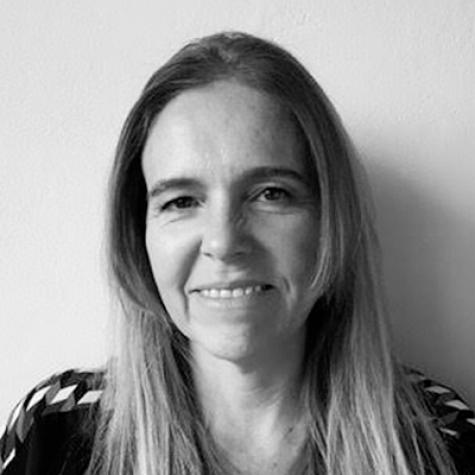
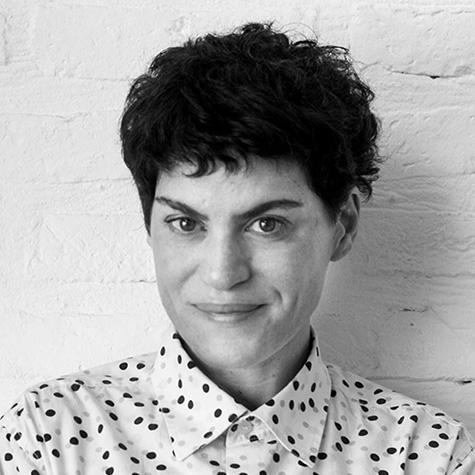
Team
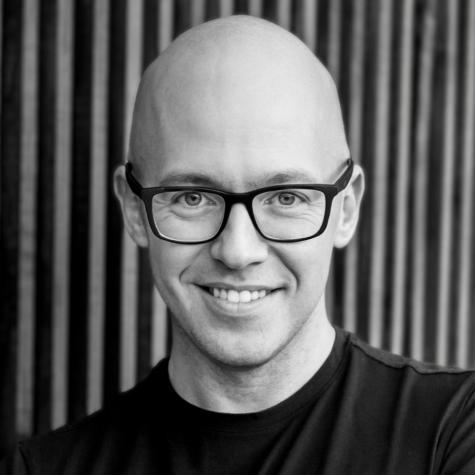
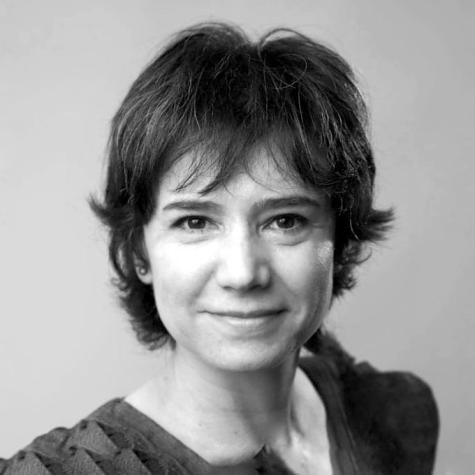
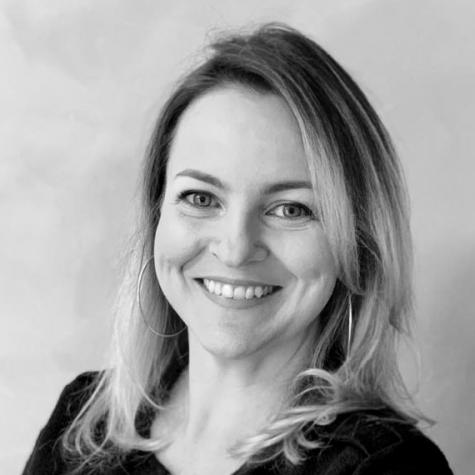
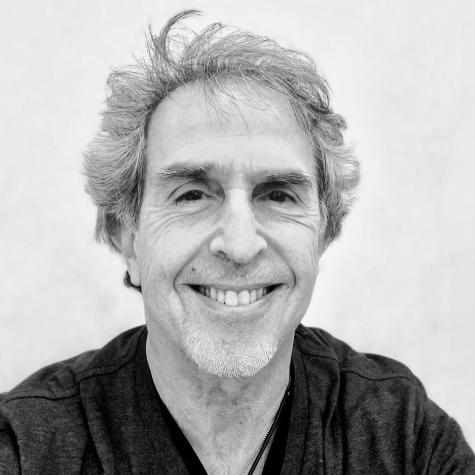
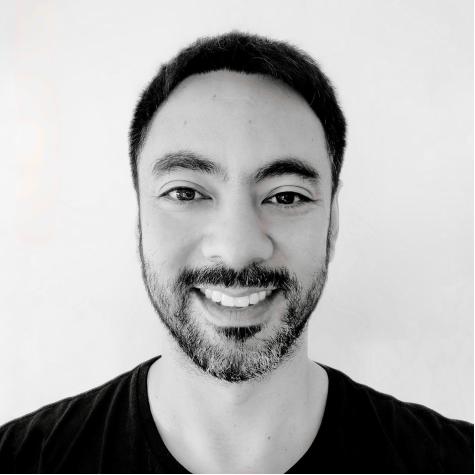
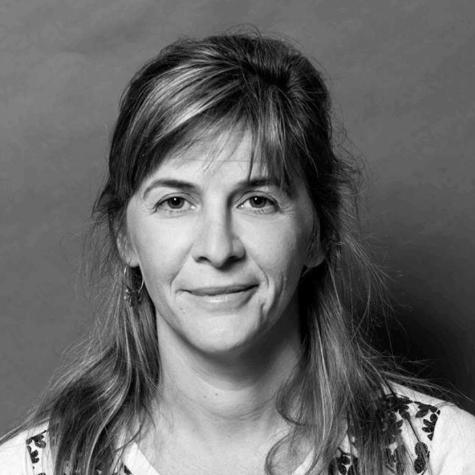
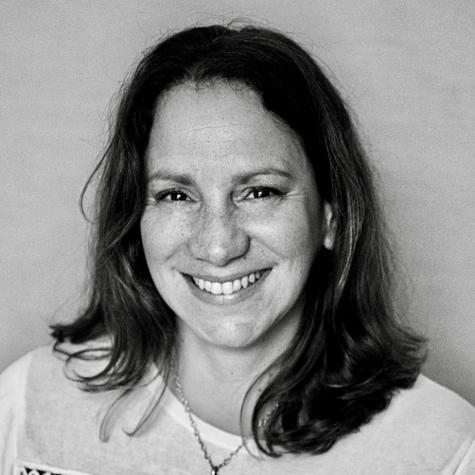
We are a multidisciplinary team with diverse backgrounds and complementary skills.






Clients
Some of the corporate and product brands we work with.




Contact
Let’s get in touch.
contact@figerbrands.com
- Buenos Aires
- +54 11 5246 1870
- São Paulo
- +55 11 5241 9760
- Santiago
- +56 2 3210 3150
- Miami
- +1 786 636 3590